by Jennifer Serravallo
With a heavy focus on whole class instruction in many core programs, you might wonder when it’s appropriate to incorporate small group instruction. While whole class instruction is essential for many reasons—building community around texts, developing a common set of knowledge as a class, introducing skills efficiently—there will be times when subsections of your class need pre-teaching, re-teaching, or teaching on a different topic or skill altogether. Enter: Small groups.
In every classroom, students have different skills, needs, and goals. By grouping students based on their needs—and keeping those groups flexible—you can target what students need whether it’s extra support, enrichment, or skills outside the scope of the core curriculum.
Small-group instruction improves student learning by:
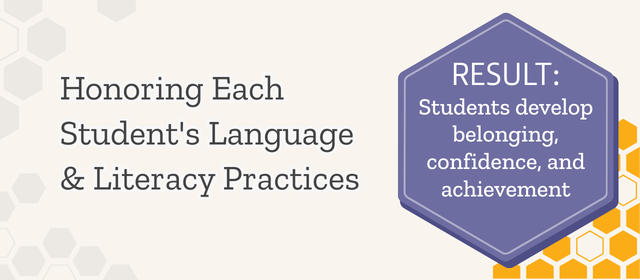
Honoring Each Student's Language & Literacy Practices
Today’s classrooms are full of kids with a wide range of language and literacy experiences. When we stick to whole-class instruction all the time, that diversity can get lost. Small-group reading and writing instruction gives teachers a chance to meet each child where they are, treating them as capable learners. Furthermore, small groups help create a more equitable learning environment, honoring all students’ individual language and cultural backgrounds, resulting in a stronger sense of belonging, greater confidence, and higher achievement for all students.
Classroom Example: Support a small group of multilingual students by encouraging them to use all their languages to understand and respond to texts. Allow them to respond in whichever language or combination of languages best demonstrates their understanding (translanguaging).
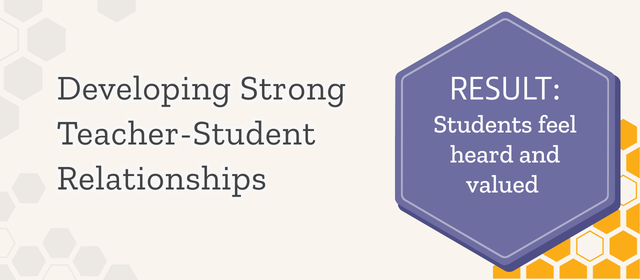
Developing Strong Teacher-Student Relationships
Research shows that building positive relationships with students is essential for deep learning, the kind that students can transfer to new instructional situations. The magic happens when you engage in authentic ways—offering feedback and support that fits students’ needs, encouraging collaboration, and showing genuine care. This type of responsive teaching relies on listening to and observing students carefully and adjusting instruction in ways that make students feel heard, seen, and valued.
Classroom Example: While teaching annotation strategies for complex nonfiction to the whole class, you notice some students prefer sketching notes instead of writing phrases. You recognize this strength and work with these students in small groups to help them refine their sketches, ensuring they capture the most important information from the passage while still meeting the lesson objective.
Targeting Strategies to Specific Student Needs
Small-group lessons are ideal for teaching students targeted strategies that help them practice specific tasks or skills, or access complex grade-level texts. Effective strategies make reading and writing goals more achievable by breaking them down into clear, actionable steps that guide students through the process. By teaching strategies in small groups, you can meet students where they are in their learning progression while helping them work toward grade-level learning goals.
Classroom Example: You are teaching students literary analysis (or another writing form) over several whole-class lessons, with students practicing after each one. When reviewing drafts, you notice varied needs—some students struggle with introductions, others with citations, and others with overwriting. Small writing groups allows you to target each of these shared needs while the rest of the class works independently on revisions aligned to their own goals.
Improving Engagement
Both research and classroom practice show that students are more engaged during small-group instruction. Their attention sharpens simply because they’re closer to you—and because small groups allow for far more one-to-one interaction. As you ask questions, encourage their thinking, and prompt them as they practice, students are much more likely to stay focused and involved.
Small groups also create many more opportunities to provide in-the-moment feedback. Research shows that receiving feedback triggers the release of dopamine in the brain, which boosts motivation, engagement, and perseverance. When students use that feedback, it actually supports brain growth. In other words, small-group instruction in reading and writing increases the number of times you can offer specific, actionable feedback, boosting student engagement in ways that help them grow as learners and feel more invested in their own learning.
Classroom Example: Several students have completely tuned out during a whole-class lesson on analyzing character motivation. When you question them directly it becomes apparent that they are ready to move on to a more nuanced level of character analysis. This data provides you with an excellent opportunity to pull these students aside into a small group so you can step them up to a greater challenge.
Giving & Receiving Feedback
At the heart of every effective small-group lesson is student practice, with you guiding, coaching, and offering feedback along the way. Research shows that feedback is most powerful when it is:
- Immediate—offers guidance while students are actively practicing
- Actionable—moves students from where they are towards their goal
- Generalizable—applies to new tasks and instructional contexts
- Specific and relevant—aligns to the goal and the strategy students are practicing
- Brief—allows students to process and apply right away
But grouping students isn’t just about giving individualized feedback, it’s also about getting feedback. Research shows that the feedback we receive from students can be even more important to learning than the feedback we provide. In fact, carefully listening to and observing students provides you with constant feedback, allowing you to nimbly pivot to better meet student needs. And actively inviting student feedback sends a powerful message to students that you too are learning and improving and that their voices matter.
Classroom Example: A student has forgotten a step in a reading strategy that helps them identify the main idea in an article. You might quickly say, “Don’t forget about [this step].” Or a student is using the strategy well and with independence, you might say, “Yes! It seems like this strategy is helping you. You’re remembering to [repeat strategy.]”
Learn more about practical strategies and structures to lead effective small groups in Jennifer Serravallo’s Teaching Writing in Small Groups, The Reading Strategies Book 2.0, and The Writing Strategies Book.

Jennifer Serravallo is the author ofThe New York Times' bestselling The Reading Strategies Book 2.0 and The Writing Strategies Book. These and some of her other titles have been translated into Spanish, French, Italian, and Chinese. Her popular books and resources help teachers make goal-directed, responsive, explicit strategy instruction doable in every classroom. Her newest titles are The Reading Strategies Book 2.0; Teaching Writing in Small Groups; A Teacher’s Guide to Reading Conferences, and the assessment and teaching resource Complete Comprehension for Fiction and Nonfiction.
Jen is a frequently invited speaker at national and regional conferences. She and her team of literacy specialists travel throughout the US and Canada to provide full-day workshops and to work with teachers and students in classrooms. She and her team are also experienced online educators who regularly offer live webinar series and full-day online workshops.
Jen began her career in education as an NYC public school teacher. Now as a consultant, she has spent the last twenty+ years helping teachers across the country create literacy classrooms where students are joyfully engaged, and the instruction is meaningfully individualized to students' goals. Jen served as a member of Parents Magazine Board of Advisors for education and literacy, and is on the NYC Reads Advisory Council as the city works to bring Science of Reading, Writing, and Learning-based practices to every classroom.
Jen holds a BA from Vassar College and an MA from Teachers College, where she has also taught graduate and undergraduate classes.
Learn more about Jen and her work at Hein.pub/serravallo, on Twitter @jserravallo, or Instagram @jenniferserravallo.